
A Servicer’s View Into the Investor Reporting Impact
If you’re part of a servicing team or work with investor reporting, you’ve probably felt the ripple effects of a loan transfer. Maybe it started with a spike in data checks, a rushed cutoff reconciliation, or a record update that spiralled into a week-long scramble.
But what really happens when a loan gets transferred? And how does it affect investor reporting behind the scenes?
On the surface, a loan transfer may look like a simple system update. In reality, it’s a highly coordinated handoff involving data accuracy, compliance, and investor assurance. For teams across loan boarding, servicing data, escrow administration, and cash management — as well as those handling investor reporting, accounting, borrower communication, and legal compliance — this moment demands laser-sharp precision, timing, and cross-functional coordination.
Let’s unpack it from the servicer’s side of the fence— and explore how to manage these transitions like a pro.
What Is a Loan Transfer, Really?
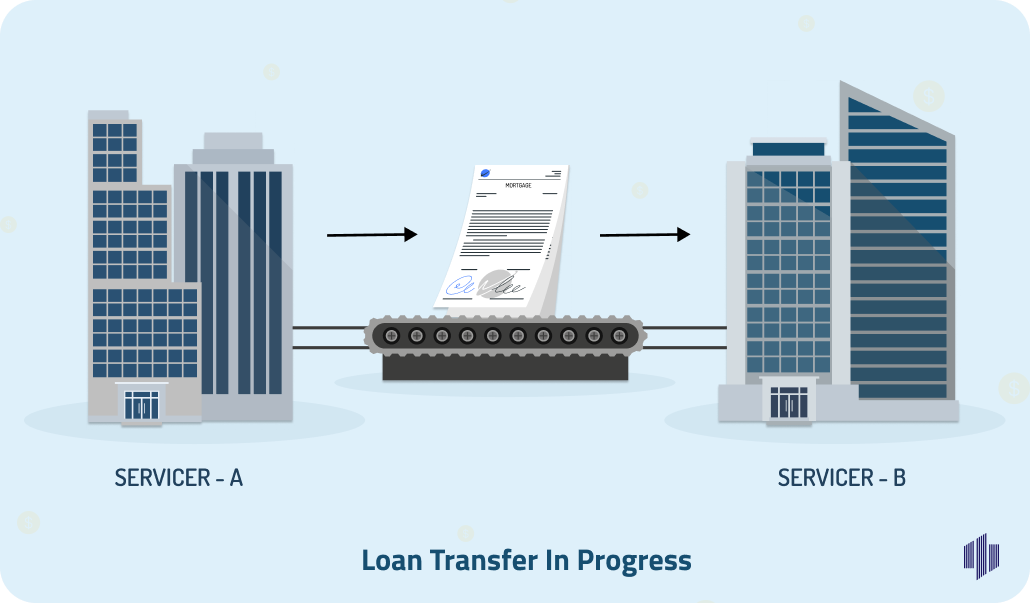
A loan transfer occurs when the servicing rights for a mortgage loan move from one servicer to another. This can happen for several reasons—portfolio realignments, mergers, investor mandates, or performance concerns.
It might sound like just moving a file from one cabinet to another—but in servicing, it’s anything but simple.
Behind the scenes, multiple teams get involved:
- Data integrity teams ensure records are clean and complete.
- Investor accounting teams reconcile balances.
- Investor reporting wraps up financials and finalizes the story of the loan.
This is more than just an operational shift—it’s a high-stakes moment with long-term implications for borrowers and investors alike.
Why Should You Care as a Servicer?
A loan transfer is your final chance to ensure everything is in order before handing it off. This is a moment of accountability, and any errors can ripple into downstream issues for the new servicer, the borrower, and the investor.
Here’s what you (as the outgoing servicer) must deliver:
- Accurate and Complete Loan Data
- Full Transaction History – Payments, adjustments, servicing activities
- Reconciled Principal, Interest, and Escrow Balances
- A Final Investor Report showing the loan’s ending position
this handoff builds investor confidence and reinforces your reputation for accuracy. Done poorly? It can lead to audit flags, operational delays, and unhappy stakeholders.
Why It Matters to the New Servicer
For the incoming servicer, a loan transfer represents more than just acquiring additional accounts—it’s a critical opportunity to demonstrate operational strength, borrower care, and investor trust from day one.
When a loan is newly boarded, the clock starts ticking immediately. Payments may be due, escrow disbursements may be pending, and borrowers may already have questions. The new servicer must be ready to step in seamlessly—because any delay or confusion at this stage can erode trust quickly.
Key Priorities for the New Servicer:
- Accurate Data Onboarding: Ensuring clean and complete loan data prevents system errors and borrower confusion.
- Prompt Borrower Communication: Clear, early messaging builds trust and avoids missed payments.
- Operational Readiness: Internal teams must be aligned to handle escrow, payments, and reporting without delay.
Common Challenges for the New Servicer—and How to Address Them
| Challenge | How to Address It |
| Incomplete or inaccurate data from prior servicer | Perform rigorous pre-boarding validations and clarify gaps with the outgoing servicer early. |
| Borrower confusion or complaints | Send timely, personalized welcome communications, including transfer confirmation, new payment address, and instructions. |
| Escrow or P&I reconciliation gaps | Align on reconciliation protocols and validate all balances before the first disbursement. |
| Investor reporting inconsistencies | Coordinate with internal investor reporting teams on boarding schedules, cutoff dates, and transfer tagging to ensure continuity. |
What Does Investor Reporting Do During a Transfer?
Investor reporting acts as the bridge between daily servicing and investor confidence. Here’s what you need to focus on:
| Action | What You Should Do |
| 1. Cut Off Cleanly | Prepare the final reporting cycle up to the transfer cutoff date. Avoid overlap or duplicate data. |
| 2. Reconcile Everything | Confirm all payments and balances such as principal & interest payments, escrow payments, escrow balance, escrow advance balance, recoverable corporate advance balance, non- recoverable corporate advance balance, suspense balance, restricted escrow balance, replacement reserve balance – are accurate and final. |
| 3. Mark the Transfer | Update the system: transfer date, new servicer, investor info, and “Transferred Out” status. |
| 4. Communicate Clearly | Notify all key parties: investors, custodians, and internal teams. Alignment is key. |
What Could Go Wrong—And How to Prevent It
Loan transfers have many moving parts. Here are the top pitfalls and how to avoid them:
- Missing Cutoff Dates
→ Align early with the incoming servicer on the exact transfer date.
- Unreconciled Advances or Escrows
→ Verify and document every balance before cutoff.
- Data Mismatches
→ Cross-check loan system data with final investor-facing reports such as Investor Reporting Package, Investor Remittance Report, Loan Trial Balance Report, Transaction History Report, Data Tape Report, Mod Tape Report & Loan Status Report.
Best Practices for a Smooth Transition
Here’s how to make your next loan transfer seamless:
- Start Early: Begin planning 30–60 days in advance.
- Coordinate Across Teams: Sync with internal ops, custodians, and the incoming servicer.
- Validate Everything: Double-check loan balances, payment history, and transfer flags.
- Archive Confidently: Store all final investor reports securely for future audits.
Final Takeaway
- Loan transfers can feel hectic, but they don’t have to be messy.
- For servicers, it’s about delivering a clean, reconciled loan file— like a well-packed suitcase, organized and ready for the next stage.
- For the investor reporting team, it’s all about transparency, accuracy, and delivering a final snapshot that instils confidence and build trust through clear, compliant reporting.
When done right, it’s a smooth baton pass—not a stumble.