
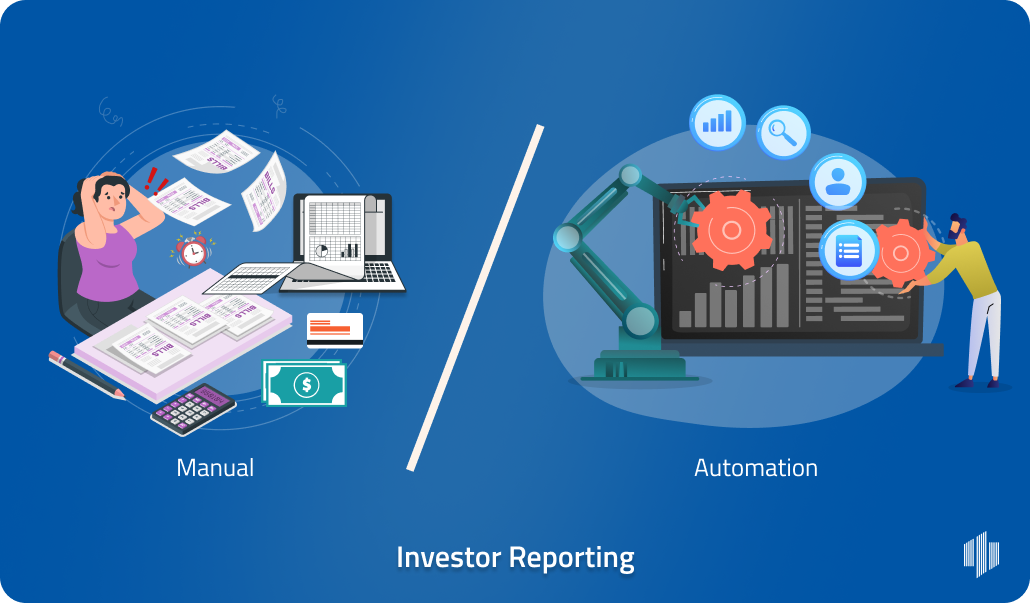
Investor reporting has always been one of the most complex and high-stakes tasks for mortgage servicers. Between multiple investor formats, strict timelines, and ever-evolving compliance rules, the pressure to “get it right” has never been higher.
But here’s the truth: manual reporting processes just can’t keep up anymore.
The Legacy Pain Points
- Manual data aggregation from servicing platforms
- Excel-based validations and reconciliations
- High error rates and rework cycles
- Stressful compliance audits with limited transparency
- Inability to scale as portfolios grow
Enter Automation
Investor reporting is being redefined by automation—and it’s a game changer.
- System Integration: APIs and ETL tools consolidate data across servicing systems, LOS platforms, and investor portals.
- Real-Time Validations: Custom rule engines flag issues before submissions, reducing investor kickbacks.
- Dynamic Templates: Investor-specific formats are pre-built and updated automatically to meet GSE and private investor standards.
- Audit Trails Built-In: Every action is logged, tracked, and easily auditable—hello, stress-free compliance.
- Scalability: Grow your portfolio without growing your team. Automation adapts with you.
Automation in Action: Two Real-World Examples
Example 1: Changing the Delinquency calculation formula
Suppose there’s a formula to calculate the delinquency category for investors. If you decide to tweak this formula you’d traditionally have to:
- Open each investor template manually
- Update the formula one by one
- Validate the logic separately for each investor
This process could take hours—or even days—depending on the number of investors.
With automation?
Make the change once.
Click.
And the update applies instantly across all relevant investor templates, and you can produce as number of bills this change affects. Simple, fast, and consistent.
Example 2: Trial Balance Validation
Suppose you need to validate trial balances across multiple investor reports. Traditionally, you would have to:
- Open each report individually
- Perform a manual calculation to verify difference between balances and collection are correct
- Flag and review any mismatches one by one
This process is tedious and time-consuming—especially across large portfolios.
With automation?
- Run the calculation in bulk
- If the result is 0, the trial balance passes
- If not, the system flags the error instantly
No more manual digging. Automation identifies discrepancies across all investors in minutes, saving hours of work and reducing the risk of oversight.

Why It Matters
Mortgage servicers who embrace automation are not just gaining speed; they’re building resilience in their operations.
Key Benefits:
- Faster close cycles – Close deals quicker without the bottleneck of manual data entry.
- Improved accuracy – Minimize errors that arise from manual processing.
- Happier investors – Increase investor satisfaction by submitting accurate reports on time.
- Lower operating costs – Reduce costs related to manual work and overhead.
- More time for strategic work – Free up resources for higher-value activities instead of repetitive tasks.
Final Thought
If your investor reporting still runs on spreadsheets, now’s the time to rethink.
Automation isn’t the future—it’s already here.
Sources & References
- Mortgage Bankers Association (MBA): www.mba.org
- Fannie Mae Servicing Guide: https://servicing-guide.fanniemae.com
- Freddie Mac Investor Reporting: https://guide.freddiemac.com/app/guide/section/8102
- CoreLogic: www.corelogic.com